
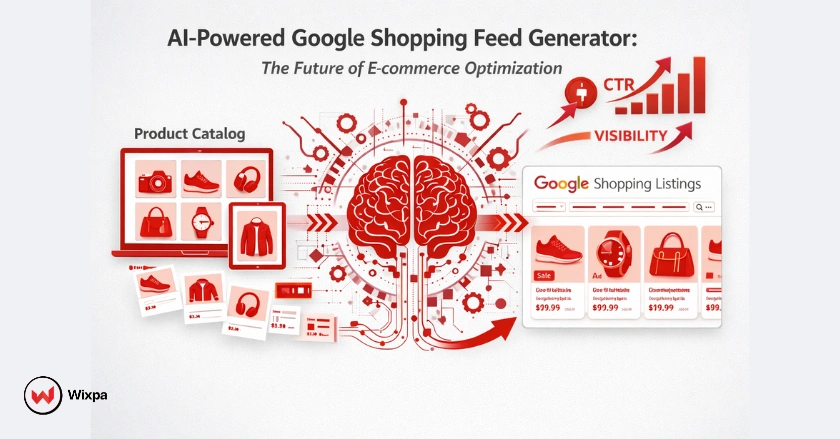
Managing product feeds manually is like trying to fill a swimming pool with a teaspoon. It’s slow, exhausting, and prone to messy spills. An AI-powered Google Shopping feed generator solves this by automating the heavy lifting, using artificial intelligence to optimize your product data for maximum visibility and sales performance.
Why does this matter now more than ever? Google’s ecosystem has shifted to an AI-first approach. If your feed isn’t optimized with the same level of intelligence that powers the search engine itself, you are practically invisible. Are you ready to stop guessing and start dominating the Shopping carousel?
Quick Summary
An AI-powered Google Shopping feed generator is a tool that uses machine learning to create, enrich, and optimize product data automatically feeds for Google Merchant Center. Unlike static tools, it dynamically adjusts titles, descriptions, and attributes to match user search intent. It saves time, reduces errors, and significantly boosts ad relevance and Click-Through Rates (CTR).
The Evolution of Google Shopping and the AI Imperative
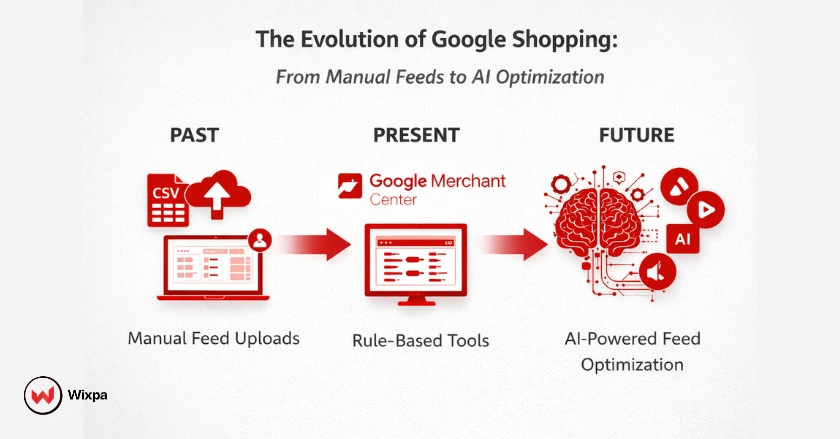
Google Shopping has undergone significant changes over the last decade. Understanding this shift explains why AI-driven feeds are now essential.
The Shifting Landscape of E-commerce and Google Shopping
Remember when uploading a CSV file with basic product titles was enough? Those days are gone. Google Shopping has evolved from a simple comparison engine into a complex, visual-first marketplace driven by user intent. Today, Google Merchant Center acts as the heart of this system, but it demands high-quality, structured data to function correctly.
In Google Merchant Center diagnostics, missing or poorly structured attributes often trigger visibility limitations rather than outright disapprovals. If your data doesn’t speak the language of Google’s algorithms, your products won’t be shown to the right people.
Why Traditional Feed Management Falls Short in the AI Era
Traditional feed management relies on static “if-then” rules. For example, “If the title is missing brand, add brand.” While useful, this approach is reactive and rigid.
In large Shopify catalogs, static rules frequently break when seasonal products or variant-based SKUs are introduced. It cannot understand nuance, semantic search variations, or the visual context of an image. In an era where Google AI creates AI Overviews and dynamic search experiences, static rules leave money on the table.
Unveiling AI-Powered Google Shopping Feed Generators
This is where the new generation of tools comes in. An AI-powered Google Shopping feed generator doesn’t just format data; it understands it. This is especially visible in Performance Max campaigns, where richer feed data directly influences asset matching and ad reach.
It looks at your product, compares it against successful search queries, and rewrites your data to bridge the gap between what you sell and what customers are actually typing into the search bar.
What Are AI-Powered Google Shopping Feed Generators?
Before diving into features, it’s important to understand what actually makes a feed generator “AI-powered” and how it goes beyond basic automation tools.
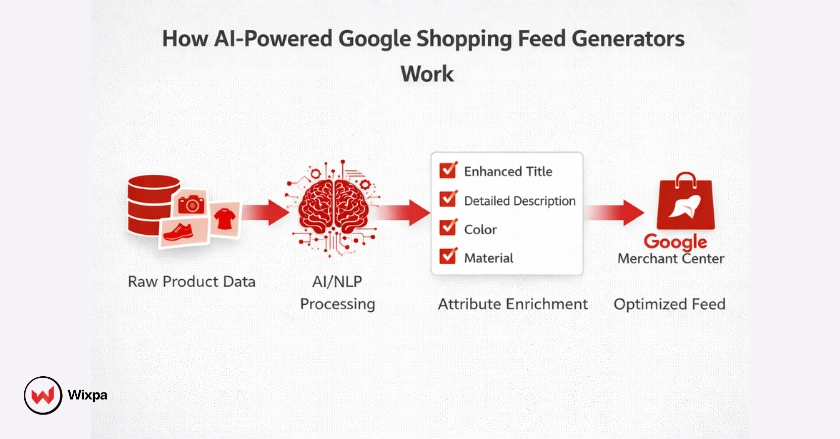
Beyond Basic Automation
These tools utilize generative AI and Natural Language Processing (NLP) to analyze your raw product data. Instead of just mapping fields, they can generate entirely new, keyword-rich product descriptions and titles from scratch.
They can analyze an image to auto-fill missing attributes like “color,” “pattern,” or “material,” ensuring your product data is complete without manual data entry. For apparel and home décor stores, image-based attribute detection helps reduce manual errors in color, fabric, and material fields.
How They Differ from Conventional Feed Management Tools
- Dynamic vs. Static: Conventional tools follow set rules. AI tools learn and adapt.
- Creation vs. Organization: Old tools organize existing data. AI tools create new, better data.
- Context vs. Keywords: Conventional tools match exact keywords. AI tools understand semantic context (e.g., knowing that “running shoes” and “jogging sneakers” are the same intent).
Why AI is Indispensable for Google Shopping Feeds Today
Google’s advertising ecosystem now relies on machine learning to decide visibility. Without AI-optimized feeds, even good products struggle to compete in crowded results.
Adapting to Google’s AI-First Shopping Ecosystem
Google is pushing hard into AI with Performance Max campaigns and AI Overviews. These systems thrive on data. The more high-quality, descriptive data you feed them, the better they perform.
An AI generator ensures your feed is “native” to this environment, providing the rich structured data that Google Ads algorithms crave. Stores running Performance Max with enriched feeds often see faster learning phases compared to accounts relying on basic product data.
The Direct Impact on Performance and Visibility
Better data equals better quality scores. When your feed accurately describes your product using the terms shoppers actually use, Google rewards you with lower Cost-Per-Click (CPC) and higher ad placement. In highly competitive markets like London or New York, enriched titles often unlock double-digit impression growth without increasing bids.
Overcoming Data Complexity and Scale Challenges
For Shopify stores managing 10,000+ SKUs, manual feed optimization quickly becomes unsustainable. For a store with 50 products, manual optimization is possible but or a store with 50,000 SKUs, it’s impossible.
AI-powered features allow businesses to scale effortlessly. Whether you are launching a new collection or expanding to a new country, AI handles the data transformation instantly, ensuring consistency across thousands of product listings.
How AI Capabilities Transform Product Feed Optimization
AI impacts product feeds at multiple levels, from content creation to performance refinement. Each capability plays a specific role in improving feed quality and relevance.
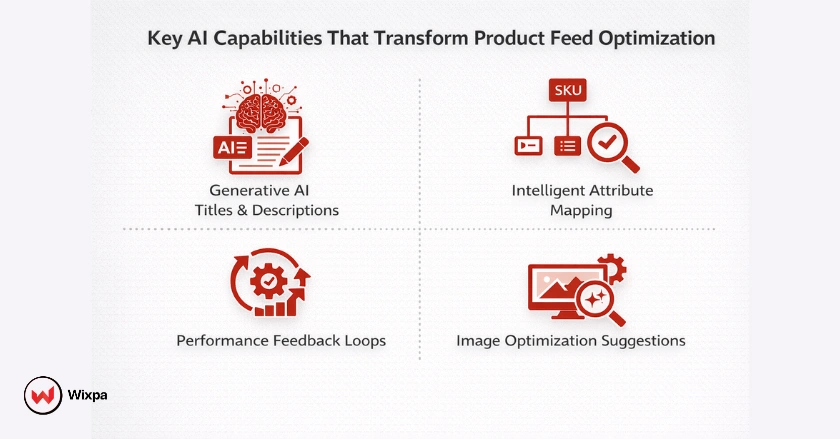
Generative AI for Product Titles and Descriptions
This shift significantly changes how feeds are optimized. Generative artificial intelligence can take a bland title like “Men’s Shirt Blue” and transform it into “Men’s Navy Blue Oxford Shirt, Slim Fit Cotton Button-Down for Business Casual.” It incorporates high-volume keywords naturally, improving SEO and readability simultaneously.
Intelligent Attribute Mapping and Enrichment
Missing attributes are the silent killers of Shopping campaigns. If you sell apparel but don’t specify “gender” or “age group,” Google may limit your visibility. AI tools scan your product pages or images to identify and auto-fill these gaps, ensuring your Google Merchant Center feed is 100% compliant and comprehensive.
Dynamic Data Optimization and Performance Feedback Loops
Advanced AI tools don’t just set it and forget it. They analyze performance data from Google Ads. If a product isn’t getting clicks, the AI can hypothesize that the title is the issue and test a variation. This continuous loop of optimization ensures your feed improves over time.
AI-Powered Image Optimization Suggestions
High-quality visuals are crucial. Some AI tools now offer virtual try-on capabilities or background removal to ensure your main product image pops against a white background, compliant with Google’s strict policies. They can even flag images that contain promotional text (a big no-no) before you get suspended.
Leveraging Customer Insights and Reviews for Feed Enhancement
Integrating customer reviews and user-generated content is powerful. AI can analyze Google reviews or feedback from platforms like Trustpilot to identify common praise points. It can then inject these sentiments into your product descriptions. For example, if everyone loves the “buttery soft fabric,” the AI ensures that phrase appears in your description.
Strategic Advantages of Implementing AI-Powered Feed Generators
Beyond technical improvements, AI feed generators offer clear strategic benefits. These advantages directly influence scalability, efficiency, and advertising performance.
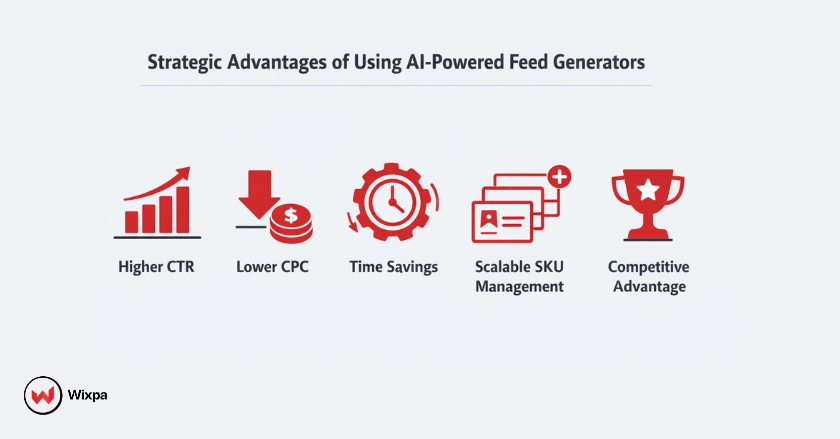
Enhancing Product Data Quality and Completeness
- Completeness: Fills in missing fields (GTINs, MPNs, materials).
- Consistency: Ensures all products follow a standardized format.
- Accuracy: Reduces human error in data entry.
Boosting Ad Relevance and Click-Through Rates (CTR)
When a user searches for a specific long-tail keyword, and your product title matches that intent perfectly, they click. AI ensures this alignment happens at scale. Higher CTR signals to Google that your ad is relevant, which can lower your ad costs.
Saving Time and Resources Through Automation
Manual feed management can take teams dozens of hours per week. AI reduces this to minutes. This frees up your marketing team to focus on high-level marketing strategy and creative campaigns rather than staring at spreadsheets.
Scaling E-commerce Operations Effortlessly
Whether you are expanding to Amazon MCF, Facebook, or TikTok, AI feed generators can instantly reformat your Google feed to meet the requirements of other channels like Facebook Business or Pinterest, adhering to Meta’s taxonomy without manual reconfiguration.
Gaining a Competitive Edge Through Superior Product Presentation
In a crowded market, the best data wins. By using AI to provide the most detailed, structured, and attractive product presentation, you push competitors with “lazy” data down the page.
Key Features to Look for in an AI-Powered Feed Generator Review
Not all AI tools deliver the same value. Knowing which features matter most helps businesses choose a solution that fits both current and future needs.
AI-Driven Content Generation Capabilities
Does the tool use advanced LLMs (Large Language Models)? Look for tools that allow you to set the “tone” of your descriptions and have specific templates for different product categories.
Integration Capabilities with E-commerce Platforms
The tool must seamlessly connect with your source (Shopify, Magento, WooCommerce) and your destination (Google Merchant Center, Google Ads API). Look for API-based connections like Content API for real-time updates.
Advanced Data Transformation and Mapping Flexibility
Can you create custom rules on top of the AI? Sometimes you need to override the AI for specific business reasons (e.g., legal compliance). The best tools offer a hybrid of AI automation and manual rule-based control.
Performance Analytics and Optimization Suggestions
The tool should provide insights. “Your apparel category is missing 20% of ‘material’ attributes,” or “These 50 products have low CTR. Click here to optimize titles with AI.”
Scalability and Support for Growing Businesses
Can it handle 100,000 SKUs? Does it support API feed submissions for speed? Ensure the infrastructure is robust enough to grow with you.
The Crucial Role of Human Oversight and Customization
Pro Tip: Never trust AI blindly. The best tools have an approval workflow where a human can review the AI-generated changes before they are pushed live to Google.
Best Practices for Implementing Your AI-Powered Feed Generator
Successful implementation requires more than simply turning the tool on. A structured approach ensures accurate data, stable performance, and long-term results.
- Preparing Your Product Data: Clean your source data as much as possible. AI is smart, but “garbage in, garbage out” still applies.
- Defining Optimization Goals: Are you trying to increase volume or ROAS? Tell the AI what success looks like.
- The Iterative Process: Start with your top-selling products. Review the AI changes, refine the prompts, and then roll out to the rest of the catalog.
- Integrating with Merchant Center: Use a scheduled fetch or Content API to ensure your customized, AI-optimized feed is the one Google actually uses.
The Future of Google Shopping
AI will continue shaping how products appear and perform in search results. Understanding what lies ahead helps brands prepare their data for upcoming changes.
Predictive Analytics and Proactive Feed Optimization
Soon, AI won’t just react; it will predict. It might suggest changing titles based on upcoming trends or seasonal events like Father’s Day, before the search volume even spikes.
Hyper-Personalization and Dynamic Listings
Imagine a feed that changes the product image based on who is searching. AI creates the potential for 1:1 personalization in Shopping ads.
AI’s Broader Role in the E-commerce Ecosystem
From AI fashion search platforms to virtual try-ons directly in the search results, the feed is just the beginning. The data you structure today will power the immersive experiences of tomorrow.
Final Thoughts
The era of manual spreadsheets is over. To compete in 2026 and beyond, implementing an AI-powered Google Shopping feed generator isn’t just a “nice to have,” it’s a survival tactic. It empowers you to scale, optimize, and dominate the digital shelf.
Don’t let your products get lost in the noise. Audit your current feed strategy today. If you aren’t using AI, your competitors likely are.
FAQs
1. Can AI really write better product descriptions than a human?
For feed purposes, often yes. While a human writes better brand stories, AI excels at structuring data and including SEO keywords that algorithms prioritize for ranking in Google Shopping.
2. Is using AI for Google Shopping feeds safe?
Yes, as long as the data is accurate. Google AI encourages structured data. However, ensure the AI doesn’t hallucinate features your product doesn’t have, which could lead to returns or account warnings.
3. How much does an AI-powered feed generator cost?
Prices vary. Some charge per SKU, others a flat monthly fee. Given the time saved and potential ad performance uplift, the ROI is usually positive for stores with over 500 products.
4. Do I still need a human feed manager?
You need a strategist, not a data entry clerk. The role shifts from “fixing errors” to “managing strategy” and overseeing the AI to ensure brand alignment.
5. Will this work for local inventory ads?
Absolutely. AI can help manage local inventory feeds, ensuring that your Google My Business (now Google Business Profile) data matches your store inventory for local SEO.
6. Are there AI-powered Google Shopping feed tools for Shopify stores?
Yes. Several tools support Shopify integration, including solutions like Wixpa that automate feed optimization, real-time updates, and Google Merchant Center compliance without manual effort.