
Managing multiple tracking codes and snippets across your website can quickly become overwhelming. From Google Analytics to Facebook Pixel, Google Ads conversion tracking, and other third-party tags, every update usually means diving into code or waiting for developers. This is where Google Tag Manager work becomes so valuable.
Instead of hardcoding each tag on your web pages, Google Tag Manager provides a centralized system that organizes everything in one easy-to-use interface. It simplifies tag management for marketing interns, SEO professionals, and website managers alike making workflows faster, cleaner, and far more efficient.
Short Summary
Google Tag Manager makes tracking much easier because it’s a free tool that helps you manage all your website tags in one place. Instead of constantly editing your site’s code, you simply install one container snippet and then use GTM’s interface to add or update tags.
Whether it’s Google Analytics, Facebook Ads, conversion tracking, or other marketing tags, everything can be managed quickly without developer support. This approach not only saves time and reduces mistakes but also empowers marketers to handle routine tracking updates on their own.
What exactly is Google Tag Manager?
Google Tag Manager work is best understood as a link between your website and the analytics tools you rely on. Think of it as a container that holds multiple tags, each with its own tracking purpose. When a visitor lands on your web pages, the container script loads and fires the appropriate tags based on the triggers you’ve set up.
These triggers can activate when someone loads a page, clicks a button, submits a form, or performs other actions. To make this process seamless, GTM uses a data layer to pass information between your site and the tags.
The platform also provides thousands of tag templates through its Community Template Gallery, allowing you to easily integrate tools like Google Analytics, Google Ads Conversion, Meta Pixel, and heatmap trackers. This eliminates the hassle of manually configuring tracking codes for every service, saving both time and effort.
- Tags: Snippets of code that collect and send data to external platforms.
- Triggers: Conditions that determine when tags should fire.
- Variables: Dynamic values that tags and triggers can reference.
- Container: The collection of tags, triggers, and variables for one website.
How do you set up Google Tag Manager?
Setting up Google Tag Manager has three main steps. Most website managers can finish it in less than an hour.
Step 1: Create your GTM account
Go to the Google Tag Manager site. Then, set up a new account with your Google login. You’ll need to specify whether you’re tracking a web property or a mobile app. Each website gets its own container with a unique container ID.
Step 2: Install the Container Snippet
Google provides two pieces of code after creating your container. Place the first snippet within the <head> section of your website. Next, insert the second snippet immediately after the opening <body> tag. This installation is usually a one-time event that your developer can handle.
Step 3: Configure Your First Tags
Start with essential tracking like Google Analytics. Create a new Google Analytics Settings Variable by using your Google Analytics ID. Then, set up tags for page views and user events. Use built-in triggers for common actions. Or, create custom triggers for specific user interactions.
The Google Tag Manager Help Centre provides step-by-step tutorials for popular integrations. Many website owners share that they can set up basic tracking. They do this without needing technical skills.
Why should you use tag management?
Google Tag Manager has big benefits compared to old, hard-coded tracking methods. This is particularly applicable to teams that manage numerous campaigns and data sources.
Centralized Control
Now, you can track everything from one dashboard. No more scattered codes on many web pages. You can set up new conversion tracking for Google Ads or update your Facebook Pixel in minutes, not days. You can organize tags into folders. Also, use container versions to track changes over time.
Developer Independence
Marketing teams can deploy and change tracking on their own. They don’t need developers for every update. This independence helps with campaign launches, seasonal promotions, and A/B testing. Quick changes are important in these situations.
Error Reduction
The platform has built-in validation and preview modes. These features enable you to test changes before publishing.
- Tag management reduces deployment time by up to 80% compared to manual coding.
- Built-in error checking prevents broken tracking implementations.
- Version control lets you roll back problematic changes instantly.
- The user permissions system allows safe collaboration among team members.
What’s the difference between GTM and Analytics?
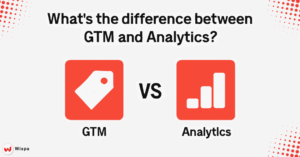
Google Analytics gathers, processes, and analyzes user data from your website. It shows metrics like page views, user sessions, conversion rates, and audience demographics. Think of it as your data analysis and reporting platform.
Google Tag Manager sends data to Google Analytics and other platforms. It doesn’t store or analyze data itself. Instead, it manages when and how tracking codes execute on your web pages.
Key Distinctions
- Analytics = Data collection and reporting platform
- Tag Manager = Code deployment and management system
- You need both tools working together for complete tracking.
- GTM can send data to analytics platforms at the same time.
Many successful digital marketing campaigns use GTM. It sends data to:
- Google Analytics
- Facebook Ads Manager
- Customer Data Platforms
- CRM systems
This multi-platform approach provides comprehensive insights while maintaining an organized tracking infrastructure.
Pro Tips for GTM Success
To use Google Tag Manager well, follow these best practices. Experienced users found these tips through real-world use.
Start simple and scale gradually.
Begin by implementing fundamental page view tracking and typical conversion events. Then, add complex custom tracking. First, master the basics of tags, triggers, and variables. Then, you can explore advanced features like server-side tagging or custom JavaScript variables.
Use descriptive naming conventions.
Establish uniform naming conventions for your tags, triggers, and variables. Include the platform name, tracking type, and purpose in each name. For example: “GA4 eCommerce” or “FB Lead Form Contact Page.”
Test everything in preview mode.
Always use GTM’s preview and debug mode before publishing changes. This feature displays which tags are activated on each page. It helps find conflicts or missing triggers. Many tracking problems arise from neglecting this essential testing phase.
Document Your Setup
Take clear notes on your tag settings. Concentrate on personalized variables and intricate trigger conditions. Clear documentation helps team members and your future self. It makes troubleshooting and updates easier.
- Tag performance regularly through GTM’s built-in reporting.
- Set up alerts for critical tag failures using Google Analytics.
- Create backup container versions before major changes.
- Train team members on your GTM setup to avoid single points of failure.
Common GTM Issues and Solutions
Even seasoned users face challenges with Google Tag Manager. Most issues have simple solutions.
Tags Not Firing
Sometimes, tag-firing problems occur, and this usually indicates trigger configuration issues. To make Google Tag Manager work properly, you need to ensure that your triggers align with the actual interactions users have on your website. Often, this requires updating page paths, CSS selectors, or form submission events, depending on your site’s structure.
Duplicate data in analytics.
High numbers in your reports might mean your GTM tags clash with hard-coded tracking. After you set up GTM versions, remove old tracking codes from your website. This stops double-counting page views and conversions.
Slow Page Loading
The simultaneous activation of numerous tags can affect the speed of the site. Load tags only when needed. Use triggers with careful consideration. Consider the order of tags for large third-party scripts. The video player tracking and heatmap trackers often have delayed loading approaches.
Permission and Access Problems
GTM’s user permissions can confuse team members. They may not be able to access containers or publish changes. Check access levels often.
Google Analytics Academy Certified Team Members vs. Other Stakeholders
- Certification Status
- Certified team members have completed Google Analytics Academy courses.
- Other stakeholders may not have formal training in Google Analytics.
- Expertise Level
- Certified members have in-depth knowledge of analytics tools.
- Other stakeholders might have a basic or no understanding of these tools.
- Role in Analytics
- Certified team members analyze data and generate insights.
- Other stakeholders use insights for decision-making but do not analyze the data themselves.
- Ongoing Learning
- Certified members stay updated with the latest trends and features.
- Other stakeholders may not engage in continuous learning about analytics.
Regular maintenance prevents most issues from becoming serious problems. Monthly audits of tag performance help your setup operate without issues. Quarterly reviews of tracking accuracy ensure everything is on point. Plus, an annual cleanup of unused tags keeps things tidy.
Transform Your Tracking Today
Google Tag Manager fundamentally alters the way websites monitor and evaluate data. By centralizing your tag management, it delivers speed, flexibility, and complete control over data collection. The initial setup quickly pays off by cutting maintenance time, reducing tracking errors, and giving you greater independence from development resources. GTM works seamlessly with one website or multiple sites, making it a versatile solution for any business. It’s simple enough for everyday tasks yet powerful enough to adapt as your tracking needs expand. Start with the basics:
- Install the container snippet.
- Set up Google Analytics tracking.
- Add a conversion tag.
Once you have a good understanding of the interface, proceed to explore advanced tracking. Focus on user events, custom dimensions, and cross-platform attribution.
Your future self will thank you for making this transition. You can save time on routine tracking updates. Use that time to analyze data, optimize campaigns, and get real results for your business.
FAQ
1. How Does Google Tag Manager Work with Google Analytics for Website Tracking?
Google Tag Manager works with Google Analytics by simplifying website tracking setup. It manages tags in one place, ensuring accurate data collection. This integration allows marketers to monitor user behavior, conversions, and engagement without editing the site’s code.
2. What is Google Tag Manager, and How Does It Help Improve Website Performance?
Google Tag Manager is a free tool that lets you add and manage marketing tags without coding. It improves website performance by organizing tags efficiently, reducing load time, and enabling better tracking accuracy for analytics and advertising platforms.
3. How Do You Set Up Google Tag Manager for Your Website?
To set up Google Tag Manager, create an account, generate a container, and place the code in your site’s header and body sections. Once installed, you can configure triggers and tags to track interactions like clicks, form submissions, and conversions.
4. Is Google Tag Manager Free and What Are Its Benefits for Businesses?
Yes, Google Tag Manager is completely free. It benefits businesses by centralizing tag control, reducing developer dependency, and improving tracking accuracy. With real-time tag updates, you can manage marketing campaigns faster and make smarter, data-driven decisions.
5. What Are the Key Features of Google Tag Manager for Managing Website Tags?
Key features include tag templates, version control, triggers, and debugging tools. Google Tag Manager work simplifies how marketers deploy and manage multiple tracking tags, making website analytics more organized, efficient, and accurate.